June 25, 2026 · The MommyPlanIt team · 4 min read · nannies
How to Build Trust with Your Nanny
Trust isn't built in the interview — it's built in the small, ordinary days when someone else is caring for the person you love most.
The first week with a new nanny has a particular kind of electricity — relief that you found someone, anxiety that you might not have, and that strange feeling of walking out your own front door while your child stays behind.
Trust, in that moment, feels like a leap.
What we've learned from talking to hundreds of families (and the nannies who show up for them) is that trust isn't really a leap. It's a pile of small, repeatable things. The kind that don't feel dramatic enough to mention at a dinner party, but absolutely determine whether your childcare arrangement lasts six months or six years.
Give them a real plan — not a vibe
Most parents aren't vague about what they want. They just express it in fragments: a text about nap timing, a sticky note about allergies, a half-remembered conversation about which books are actually okay before bed.
Imagine starting a new job where the job description arrived in seventeen separate messages, half of them voice notes.
Your nanny wants to do well by your family. A shared daily plan — what to read, when to go outside, how you like bottles warmed, what "quiet time" means in your house — isn't micromanagement. It's respect. It says: I thought about this carefully, and I trust you to carry it out.
One nanny told us the moment she felt like "part of the family" wasn't a bonus or a holiday gift. It was a parent who wrote out the lullaby order — seriously, the order — and said, "He'll fight sleep if you skip page three."
Show up on the quiet days, not just the chaotic ones
When everything goes sideways — fever, blowout, missed nap, dog got out, plumber arrived early — most parents and nannies naturally communicate. Adrenaline handles that.
Trust is tested on the boring Tuesdays.
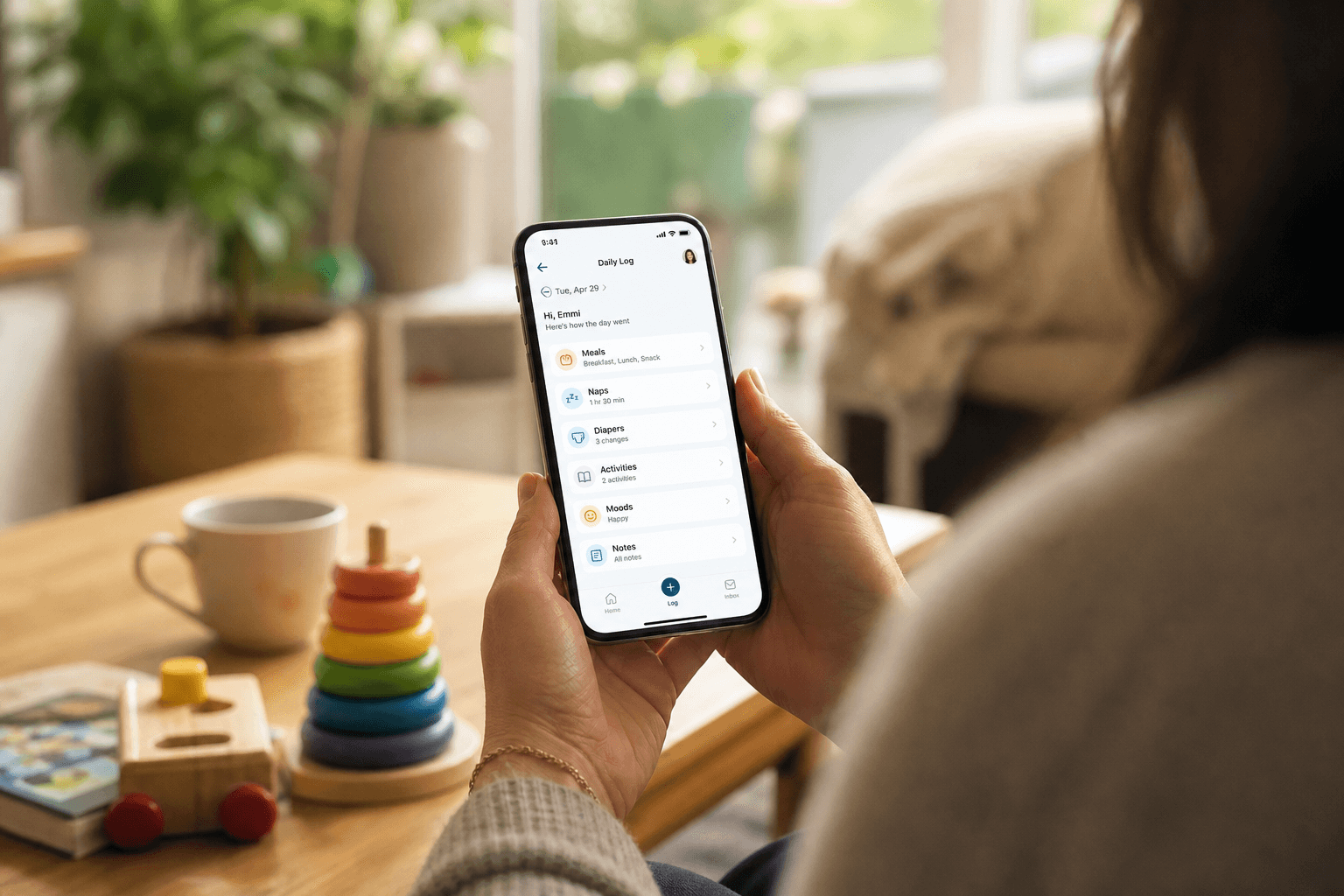
A log that says "Uneventful day; ate, napped, played, no concerns" sounds almost silly until you've been the parent refreshing your phone wondering whether no news is good news or no news means nobody thought to tell you something.
Consistency on quiet days teaches everyone: we're in this together even when nothing is on fire.
Say the specific thank-you
"You're amazing" is kind. "Thank you for sticking to the nap schedule even when he protested — we had the best evening we've had in weeks" is transformative.
Nannies do invisible labor constantly: the patience during teething, the creative redirect when boredom turns dangerous, the emotional regulation they perform so your child feels safe. Name what you see. Not because they need applause — because what gets named gets repeated.
When something goes wrong, lead with truth
Every long-term nanny-family relationship has a story like this: the time the schedule fell apart, the time someone raised their voice, the time a child got hurt on their watch.
The families who stay together aren't the ones where nothing bad ever happens. They're the ones where the nanny texted "Heads up before you see the bruise" instead of hoping it wouldn't come up.
Parents: if your nanny brings you a problem early, receive it calmly even if your stomach drops. How you respond to the first hard conversation determines whether you get a second one.
Nannies: parents would rather hear bad news with context than discover it with imagination.
Boundaries aren't cold — they're caring
Cameras. Social media. Visitors. Discipline approaches. Food rules. What "screen time" means in this house versus the last one.
These conversations feel awkward because they matter. Clear boundaries don't mean you don't trust someone. They mean you're taking the job seriously on both sides.
The best nanny relationships we've seen have a quality of mutual professionalism — warm, affectionate, and still clear about what is and isn't okay.
Make sure your nanny isn't the only keeper of the flame
Grandparents visit. Sitters fill in. You travel. Someone gets sick.
If the entire operating manual of your child's day lives in one person's head, you're one sick day away from chaos. A shareable care guide — routines, preferences, medical notes, the stuff that doesn't fit in a text — protects your nanny from being the bottleneck and protects your child from inconsistency.
Your nanny shouldn't have to re-explain your household every time backup care walks in.
Trust isn't a feeling you either have or don't. It's a practice. And like most practices, it gets easier the more honestly you show up.